Myanmar
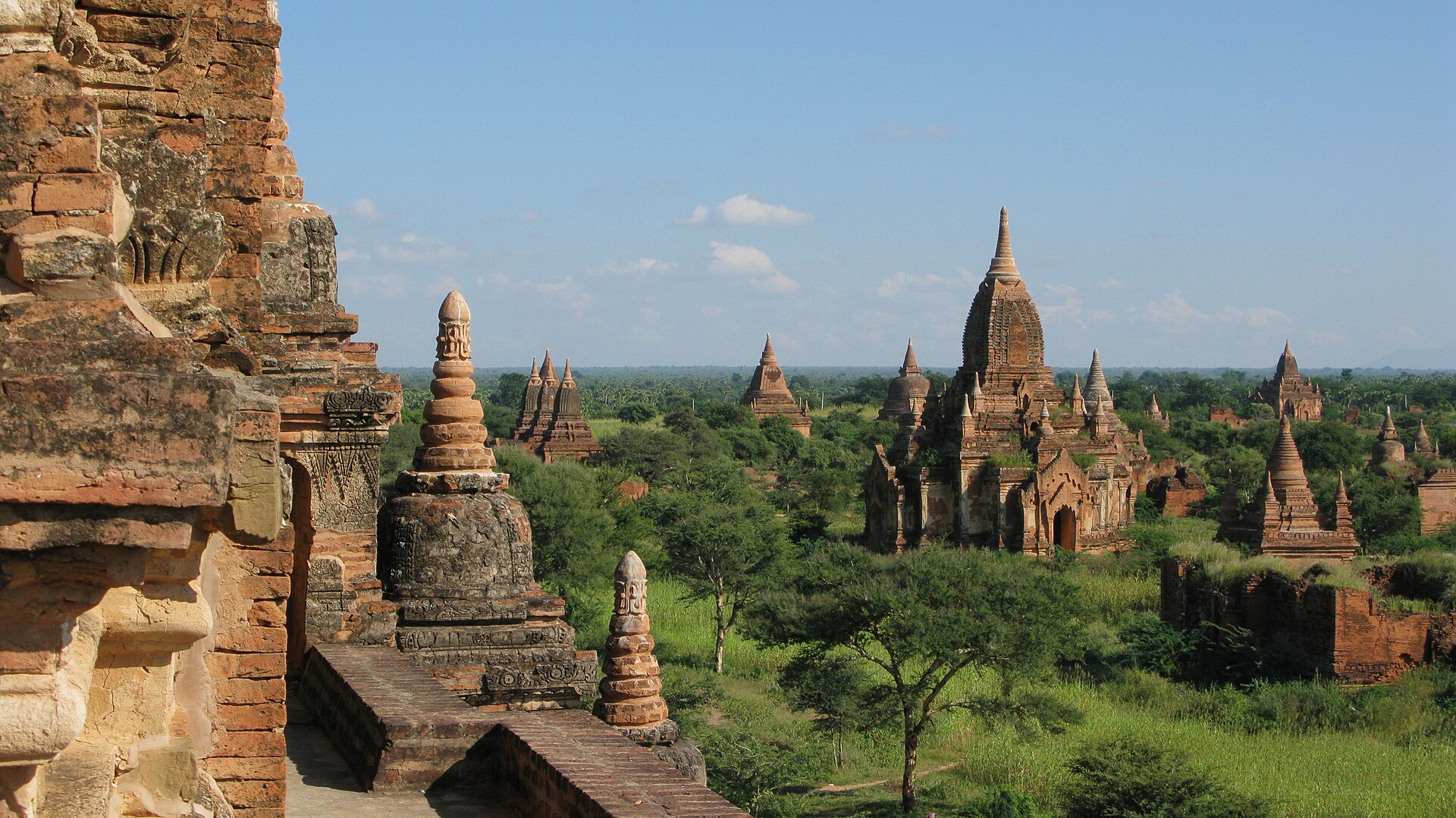
Bagan Temple Plains
Bagan
Thousands of ancient temples spread across a dramatic plain, best explored at sunrise by balloon or bicycle.
Signature: Shan noodles
View place details
Korea vs Myanmar
A curated side-by-side look at two destinations, one in Myanmar and one in South Korea.
Bagan
Thousands of ancient temples spread across a dramatic plain, best explored at sunrise by balloon or bicycle.
Signature: Shan noodles
View place details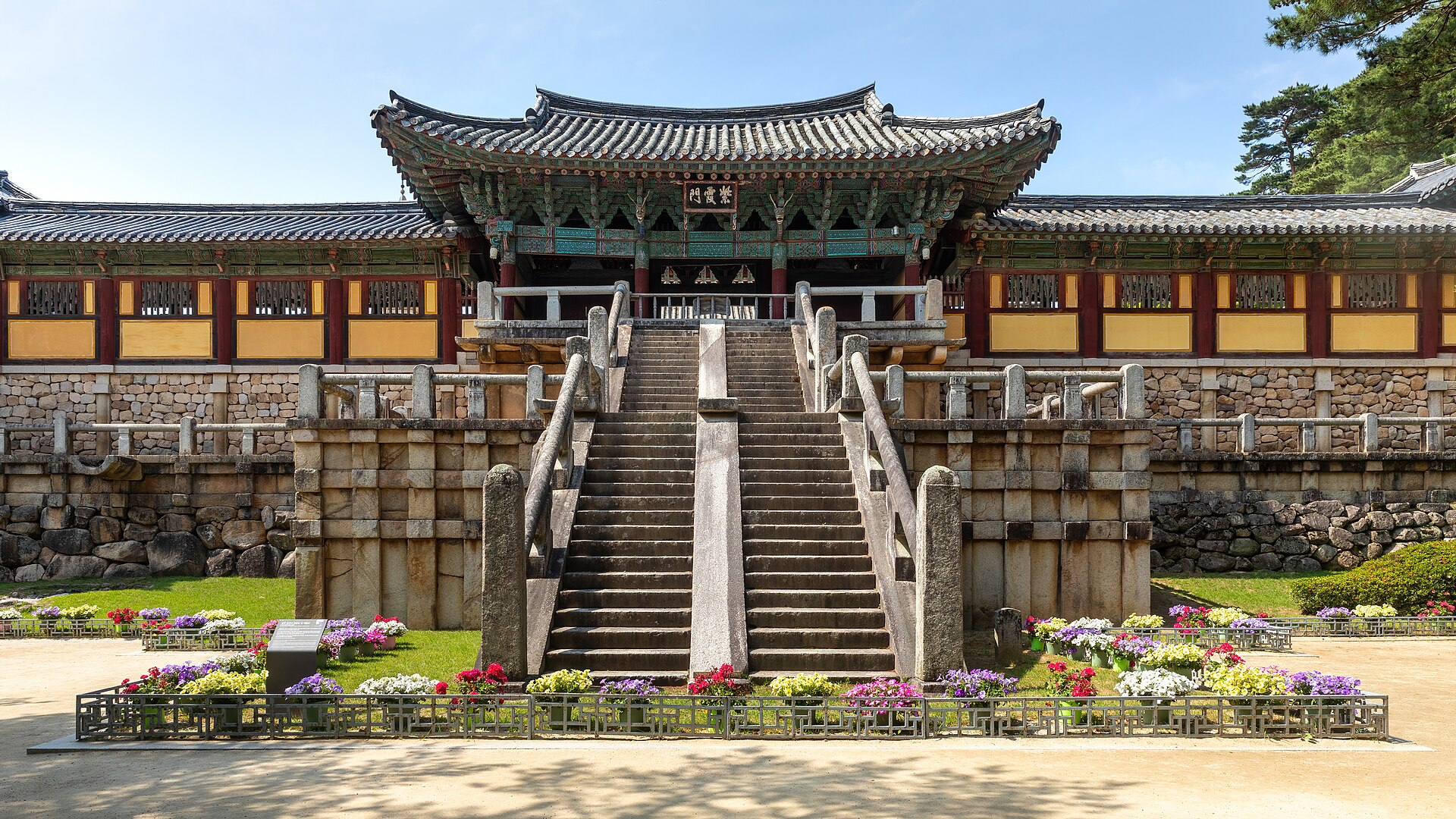
Gyeongju
A UNESCO Silla-era temple on the wooded slopes outside Gyeongju, paired with the Seokguram grotto.
Signature: Hwangnam rice cake
View place detailsBagan and Bulguksa are both living Buddhist landscapes: thousands of brick temples on a dry plain in Myanmar, and a carefully composed Silla temple on a Korean hillside. Travelers come for architecture, pilgrimage, and sunrise or autumn light rather than nightlife.
Shan noodles
Local curries, Shan noodles, and palm sugar sweets are common in nearby villages.
Hwangnam rice cake
Temple-style vegetables, Gyeongju bread, and Hwangnam rice cakes in the old city.
One of Southeast Asia's most important archaeological landscapes.
Buddhist stone pagodas, Silla royal history, and a living pilgrimage landscape.
Bagan rose as a Buddhist kingdom between the 9th and 13th centuries. Bulguksa was first built in the 8th century under Silla and later restored, with Seokguram grotto nearby. Both sites show how royal power once used temple building to define a nation’s identity.
Hot, dry plains with a clear cool season. Temple climbing is easiest in the early morning.
Best season: November to February
Four seasons. Spring cherry blossoms and autumn maples make the temple woods especially photogenic.
Best season: April to June, September to November
Myanmar ↔ South Korea Travel AI